


 Tax Region


Motorcycle Trackday Checks for Brake Hoses and Control Cables | Venhill
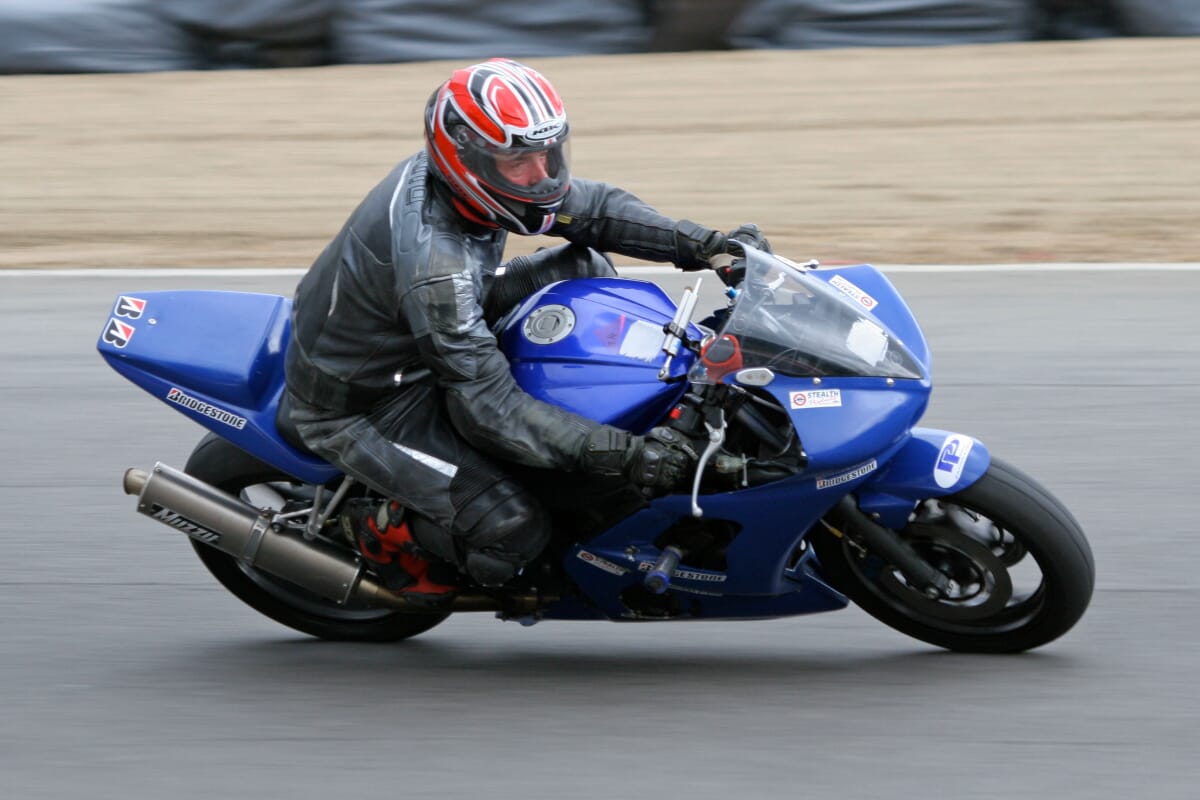
Trackday Checks for Hoses and Cables.
More riders than ever are heading out on track; some on a dedicated track bike, many on the same machine they ride on the roads.
Whichever camp you’re in, you’ll know the pre-trackday routine: tyres and pressures, suspension settings, tape up the lights and you’re away. But there’s one area that often gets overlooked in that routine: the cables and hoses that connect you to the bike.
On track, your controls work harder than they ever do on the road: repeated hard braking, constant gear changes and wide-open throttle, lap after lap. A control that’s worn, sticking or badly adjusted isn’t just slowing you down; it’s a safety risk, for you and everyone sharing the circuit.
The good news is that a proper check takes minutes. Here’s the what, where and how:
1. Brake hoses
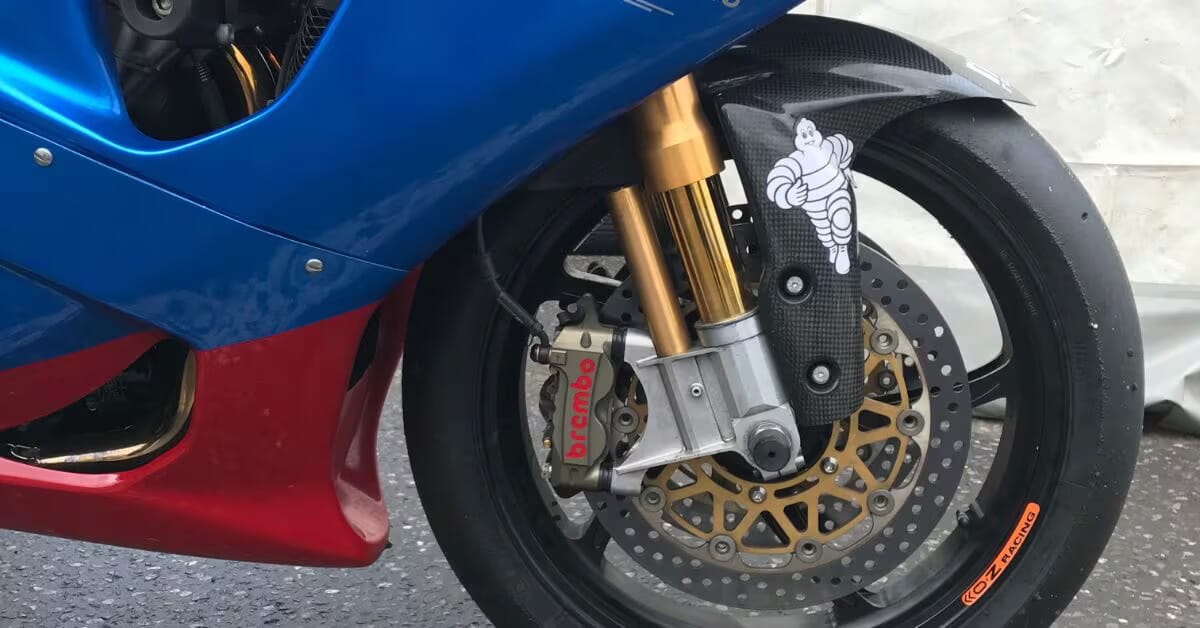
Start at the banjo fittings at each end, where the hose meets the master cylinder and calliper; these are the most vulnerable points. Look for corrosion, cracks and any sign of weeping fluid; an oily residue around a fitting is a leak, not road grime.
Next, run your fingers along the full length of each hose, feeling for bulges, soft spots, kinks or cracking in the outer cover. Finally, hold the hose firmly and squeeze the lever: if you can feel it swelling under your grip, it’s ballooning under pressure and robbing you of braking force, something you’ll be needing when reaching the kind of speeds a trackday serves up.
2. Master cylinders and fluid
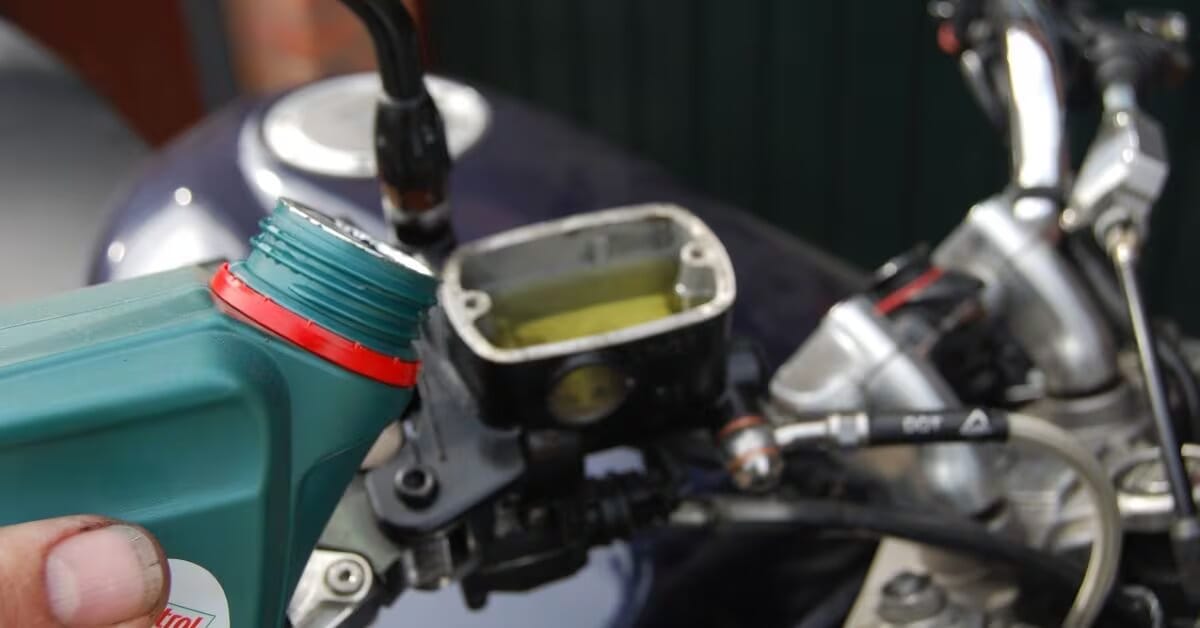
Check the master cylinder body and reservoir for leaks, and make sure the fluid is at the right level and hasn’t darkened with age. Brake fluid absorbs moisture over time, which lowers its boiling point, and track use generates far more heat than road riding.
If the fluid is more than a couple of years old, change it before you go.
The lever action should be firm and consistent; sponginess or a lever that pulls further than it used to means the system needs a closer look, and possibly a bleed.
3. Clutch – hose or cable
Hydraulic clutches get the same checks as the brakes: fittings, hose condition, fluid and feel.
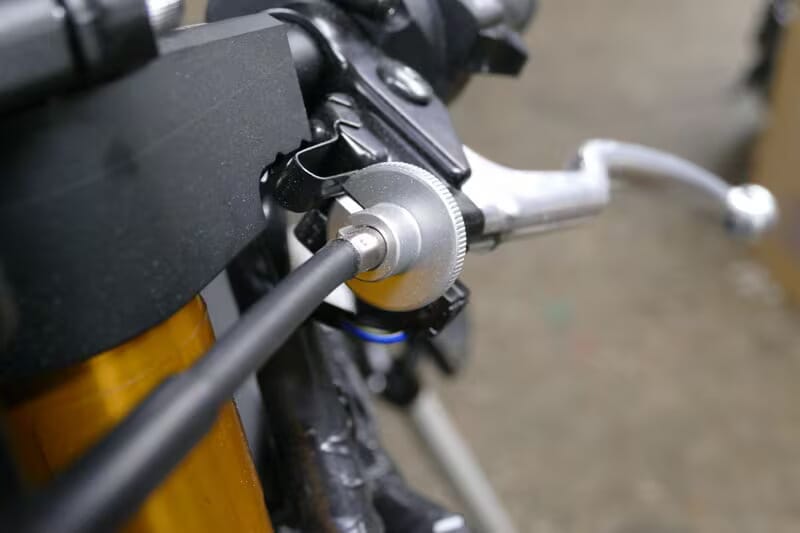
For cable clutches, inspect the exposed inner wire at both ends for fraying and corrosion: any broken strands mean the cable is on borrowed time.
Check the free play is correct: too little and the clutch can slip as things heat up on track; too much and you’ll struggle to find neutral or get clean starts.
4. Throttle cables
Twist the throttle and let go: it should snap back crisply, with no sticking or lazy return, and do the same with the bars at full lock in both directions.
Check the free play at the twistgrip, and follow the cables along their routing to make sure nothing is pinched, kinked or rubbing.
On track you’ll be using the full range of the throttle far more often than on the road, so any roughness you’ve been living with will only get worse.
5. Adjustment and routing
Finally, make sure everything is set up properly. Levers should be positioned so you can brake and change gear without repositioning your hands, cables and hoses should have enough slack to follow the forks through full travel and steering lock, and any adjusters should be locked off.
If you’ve fitted new parts, crashed, or changed your bars or suspension since the last check, pay extra attention here.
A smarter upgrade
If your checks turn up anything questionable – or your hoses and cables are simply of unknown age – replace them before your trackday, not after.
Venhill Powerhose Plus braided brake lines use a DuPont® Teflon® (PTFE) core that won’t balloon under pressure, wrapped in marine-grade stainless steel braid, and every hose is pressure tested to 1,500 psi before it leaves the factory, for sharper, more consistent braking that stands up to track temperatures
Venhill Featherlight cables are built to a higher specification than OE, with marine-grade stainless steel inner wire to minimise stretch and PTFE liners for a smooth, light action with no lubrication needed; so your clutch and throttle feel as good on the last session as they did on the first.
- sales@venhill.co.uk
- +44 (0) 1306 885111
- Venhill, 21 Ranmore Rd Dorking, Surrey, South East England, RH4 1HE, GB,